


 Great for Bean-to-Cup
Colombia Medellín Mountain Water Decaf – Dark Roast
Chocolate | Caramel | Cocoa
From £8.50Unit price /Unavailable

Colombia Medellín Mountain Water Decaf - Medium-Dark Roast
Chocolate | Caramel | Nuts
From £8.50Unit price /Unavailable
 🔥 Customer Favourite
Central American Decaf - Dark Roast
Chocolate | Spice | Cinnamon
From £8.50Unit price /Unavailable

Central American Decaf - Medium Roast
Chocolate | Cinnamon | Spice
From £8.50Unit price /Unavailable
 Great for Filter
Peru San Martin Swiss Water Decaf – Medium-Dark Roast
Chocolate | Nuts | Raisin
From £9.50Unit price /Unavailable
Guatemala Swiss Water Decaf - Medium-Dark Roast
Chocolate | Citrus | Caramel
From £9.50Unit price /Unavailable

Guatemala Swiss Water Decaf - Medium Roast
Caramel | Citrus | Summer Fruits
From £9.50Unit price /Unavailable

Colombia Swiss Water Decaf – Medium-Dark Roast
Caramel | Chocolate | Apple
From £9.50Unit price /Unavailable
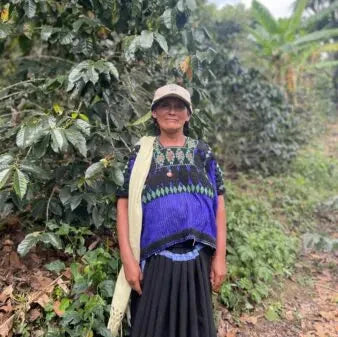
Mexico Mountain Water Decaf - Dark Roast
Chocolate | Lemon | Spice
From £8.50Unit price /Unavailable


Roasted to order • 100% Arabica • Small-batch roasting
Free UK mainland delivery on orders over £40

Why Choose Decaf Coffee Beans?
Decaf coffee beans are ideal for those who want to reduce caffeine without giving up great coffee.
With around 97%–99% of the caffeine removed, modern decaf coffees retain their natural flavour, body and aroma. They are a great choice for evening drinking, enjoying coffee throughout the day, or simply cutting back on caffeine while still getting a smooth, balanced cup.
Suitable for espresso, filter and cafetière brewing, decaf coffee offers flexibility without compromise.

Decaf Coffee for Every Brewing Method
Our decaf coffee beans are suitable for a wide range of brewing methods, including espresso machines, bean-to-cup machines, filter coffee machines, cafetière and pour-over.
From medium roasts for everyday drinking to darker roasts for espresso, you’ll find a decaf coffee to suit your taste and brewing style, without compromising on flavour or quality.

Decaffeination Methods
Decaf coffee beans are made by removing most of the caffeine from green coffee beans before roasting. Modern decaffeination methods are designed to reduce caffeine while preserving the coffee’s natural flavour, aroma and body. Most decaf coffee contains around 97%–99% less caffeine than regular coffee.
Mountain Water Process
A chemical-free method that uses water and carbon filters to remove caffeine. This gentle process helps preserve the coffee’s natural flavour and results in a smooth, clean cup.
Sugarcane Process (EA)
Uses ethyl acetate derived from sugarcane to extract caffeine from the beans. This method helps retain the coffee’s natural sweetness, body and aroma, producing a smooth and well-balanced decaf.
Swiss Water Process
A water-based method that removes caffeine without the use of chemicals. It maintains the coffee’s original character, resulting in a clean, balanced and flavourful cup.
Frequently Asked Questions about Decaf Coffee
What is decaf coffee?
What is decaf coffee?
Decaf coffee is regular coffee that has had most of its caffeine removed before roasting. It still tastes like coffee, just with significantly less caffeine.
How much caffeine is in decaf coffee?
How much caffeine is in decaf coffee?
Decaf coffee typically has around 97%–99% of its caffeine removed. A cup still contains a small amount, but far less than regular coffee.
Does decaf coffee taste different?
Does decaf coffee taste different?
Good decaf coffee shouldn’t taste noticeably different. Modern decaffeination methods help preserve flavour, so you still get a smooth, balanced cup.
How is decaf coffee made?
How is decaf coffee made?
Caffeine is removed from green coffee beans using methods such as Mountain Water, Swiss Water or sugarcane decaffeination. These processes are designed to retain flavour while reducing caffeine.
Is decaf coffee completely caffeine-free?
Is decaf coffee completely caffeine-free?
No, decaf coffee isn’t completely caffeine-free. It contains a very small amount of caffeine, but much less than regular coffee.
Which decaf coffee should I choose?
Which decaf coffee should I choose?
It depends on your taste. If you prefer something smooth and balanced, go for a medium or medium-dark roast. If you want more depth and intensity, a darker roast is a better choice.
Which decaffeination method is best?
Which decaffeination method is best?
There isn’t one single “best” method. Different processes suit different coffees. Water-based methods like Swiss Water® and Mountain Water focus on gentle caffeine removal, while CO₂ and solvent-based methods can be effective at preserving structure and body. We choose the method that best suits each coffee rather than taking a one-size-fits-all approach.
Can I use decaf coffee in an espresso machine?
Can I use decaf coffee in an espresso machine?
Yes, most decaf coffee beans work well in espresso machines and bean to cup machines. Check the brewing suggestions on each product page for best results.
Is decaf coffee suitable for all brewing methods?
Is decaf coffee suitable for all brewing methods?
Decaf coffee can be brewed using a wide range of methods, including espresso machines, bean to cup machines, cafetières, and filter brewing. As with any coffee, results depend on grind size, brewing method, and personal preference.
Are your decaf coffee beans freshly roasted?
Are your decaf coffee beans freshly roasted?
Yes, all our decaf coffee beans are roasted to order in small batches. Each bag includes your order number and roast date so you know exactly when it was roasted.
