


 BEST FOR AEROPRESS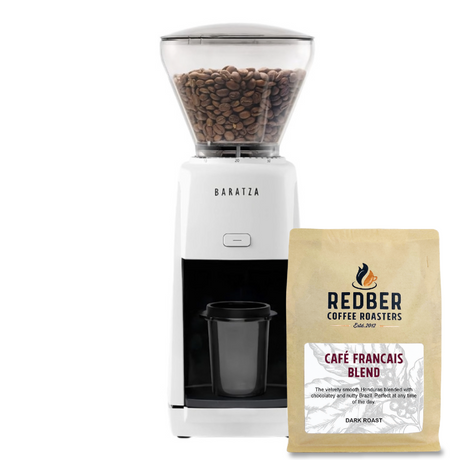


 BEST FOR AEROPRESS
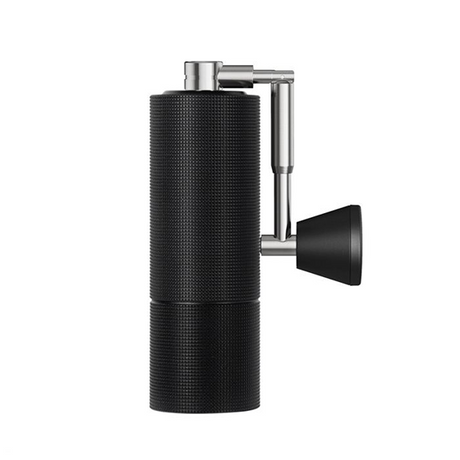
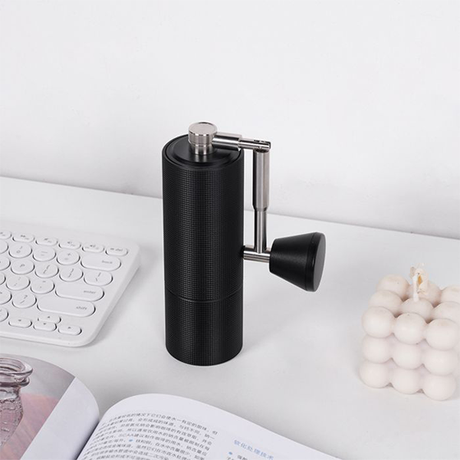
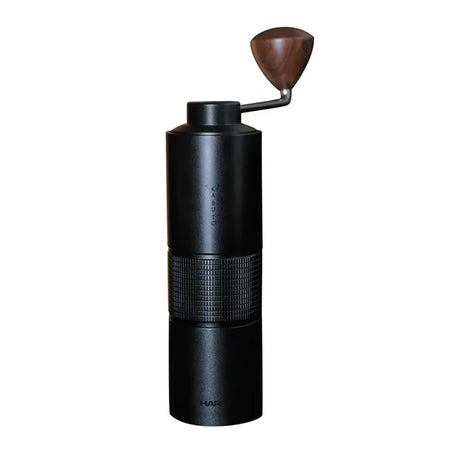
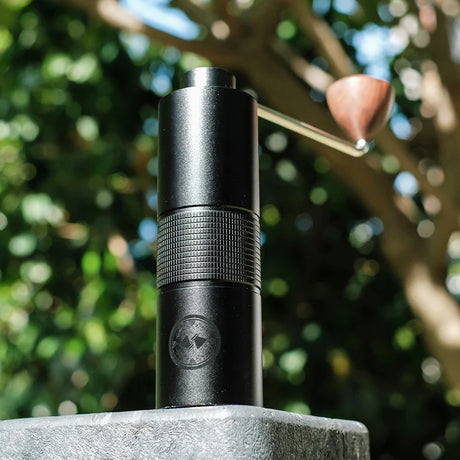
Timemore C5 ESP PRO Burr Hand Coffee Grinder - Black
15% off with RESTART15£98.95Unit price /Unavailable


 Sold out


 Sold out


What Makes a Grinder Suitable for Filter Coffee?
Freshly grinding your coffee is one of the simplest ways to improve the flavour of filter coffee. Once coffee is ground, it begins to lose its aroma and freshness more quickly, so grinding immediately before brewing helps preserve more of the coffee’s natural character.
A good filter coffee grinder also produces a more consistent grind than a blade grinder. This helps water pass through the coffee evenly, resulting in a cleaner, sweeter and more balanced cup.
Filter brewing normally uses a medium to coarse grind, depending on the brewer and recipe. A suitable filter grinder must remain consistent across this range rather than simply being able to grind coffee coarsely.
The grinders in this collection have been selected because they provide:
- Consistent medium-to-coarse grinding
- Useful adjustment for different filter brewing methods
- Reliable burr performance
- Fewer unwanted fine particles
- Convenient dosing into a container or dosing cup
- Suitable capacity for home filter brewing
Too many fine particles can slow the flow of water, clog paper filters and create bitterness or muddiness. A consistent filter grinder helps produce a more even extraction and makes it easier to repeat a successful recipe.

Dedicated Filter Grinders
Dedicated filter grinders are designed specifically for pour-over, drip, immersion and other non-espresso brewing methods.
They typically focus on consistency at medium and coarse settings, helping to produce greater clarity and separation between individual flavour notes. They may also use filter-specific burrs and grind directly into a grounds container rather than a portafilter.
A dedicated filter grinder is often the best choice if you mainly prepare V60, filter machine coffee, AeroPress, Chemex or cafetière.
Choosing a Grinder for Your Brewing Method
-

V60 and Pour-Over
V60 and other pour-over brewers usually require a medium-fine to medium grind. Look for a grinder with consistent adjustment through this range, allowing you to control the flow of water and overall brewing time.
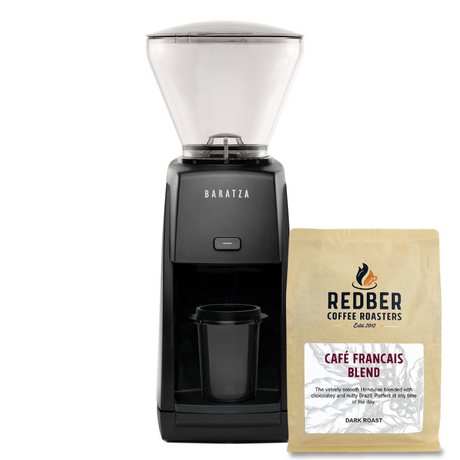
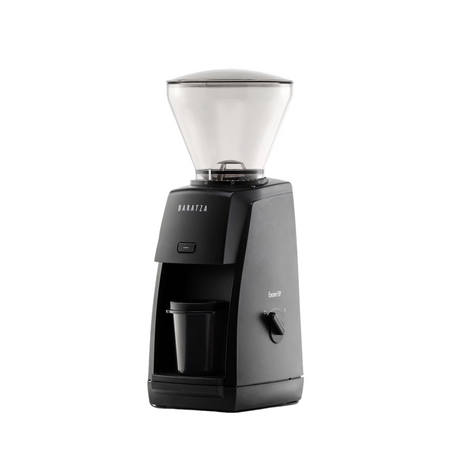
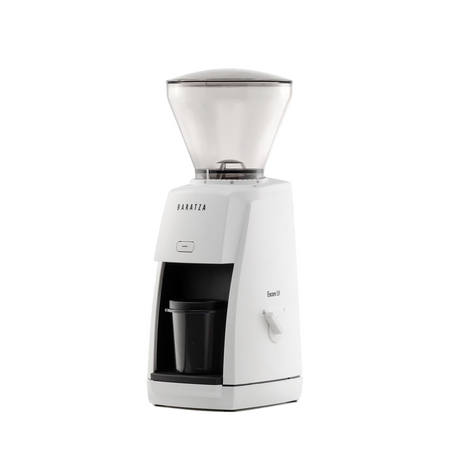
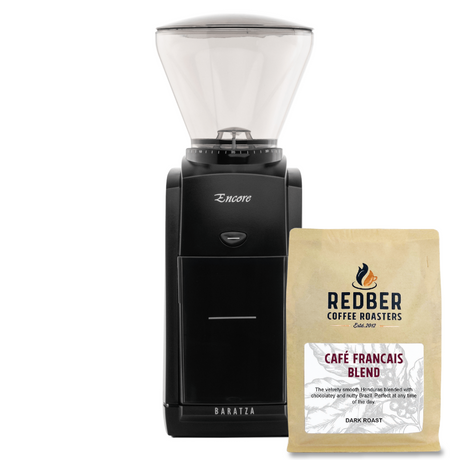
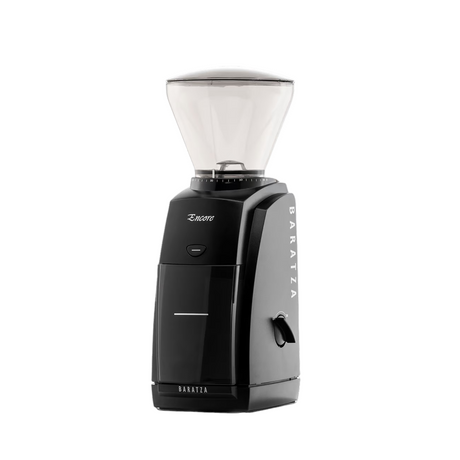
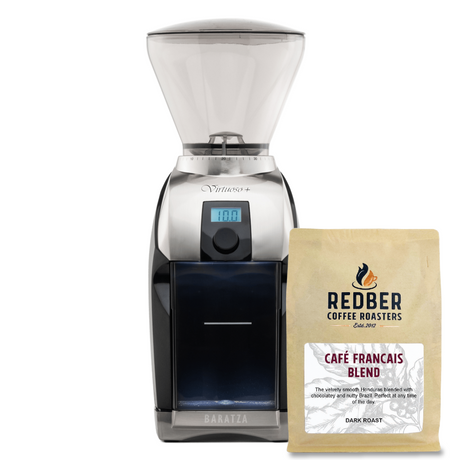
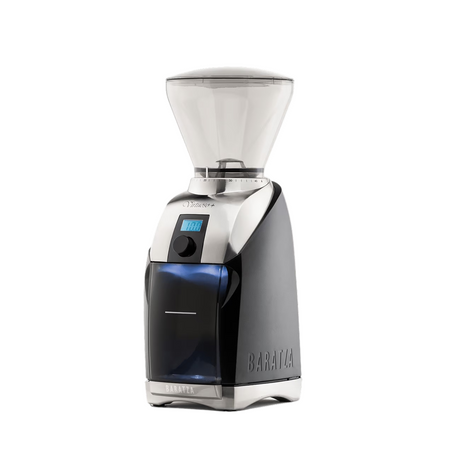
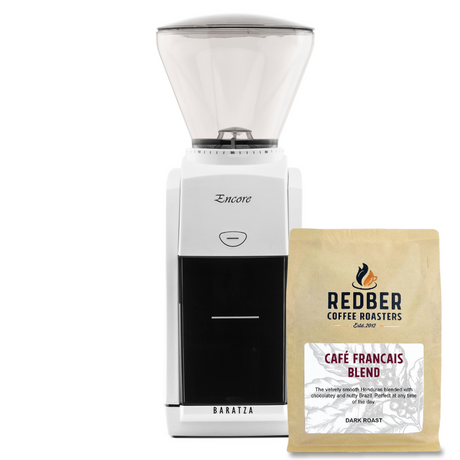
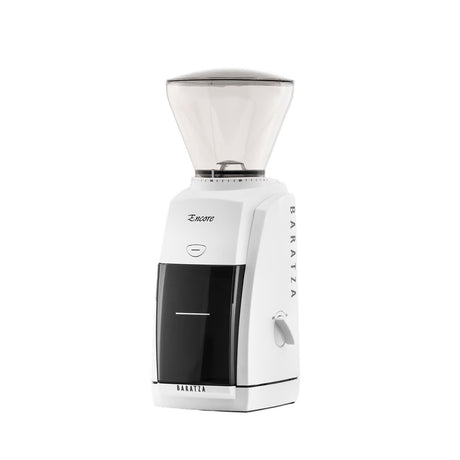
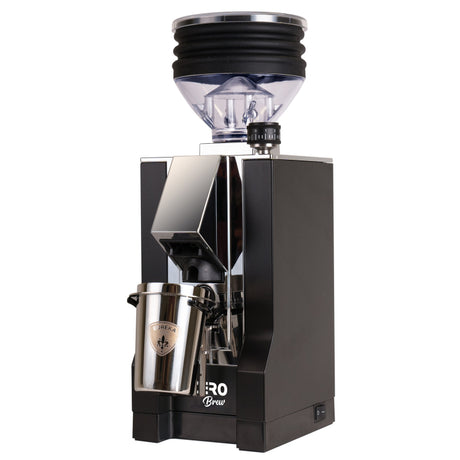
Good choices from our range include the Fellow Ode Brew Grinder Gen 2, Eureka Mignon Zero Brew, Eureka Mignon Crono Brew Grinder and Baratza Encore. For customers who prefer a compact manual option, the Timemore C3 Pro is also well suited to single-cup pour-over brewing.
-

Filter Coffee Machines
Most drip filter coffee machines work best with a consistent medium grind. An electric grinder with a grounds container is usually the most convenient option, particularly when preparing enough coffee for a full jug.
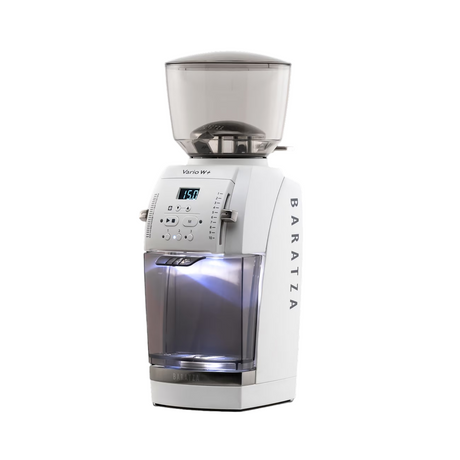
Suitable options include the Baratza Encore, Melitta Molino, Melitta Calibra and Fellow Ode Brew Grinder Gen 2. The Melitta models are practical everyday choices, while the Fellow Ode offers a more advanced option for customers looking for greater grind consistency and clarity.
-

AeroPress
AeroPress recipes can use anything from relatively fine to medium-coarse coffee, depending on the dose, brewing time and recipe. A grinder with a broad adjustment range gives you greater freedom to experiment.
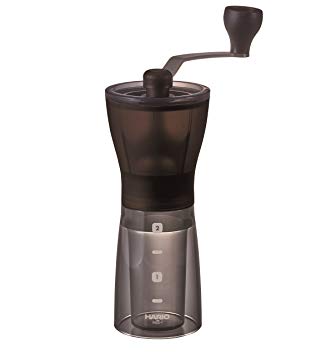
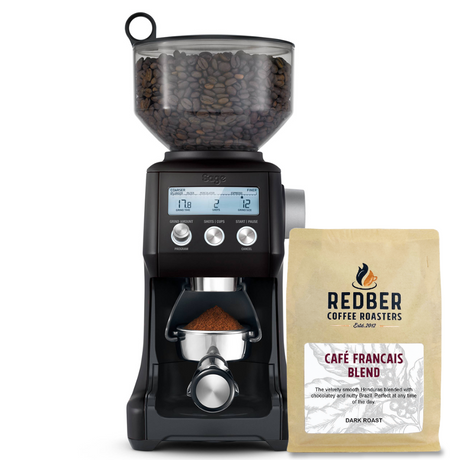
The Timemore C3 Pro is an excellent manual choice for AeroPress and is compact enough for travel. Other suitable options include the Baratza Encore, Melitta Calibra and Fellow Ode Brew Grinder Gen 2.
-

Cafetière
Cafetière coffee normally requires a medium-coarse to coarse grind. The grinder should remain consistent at wider settings to help reduce excessive sediment and uneven extraction.
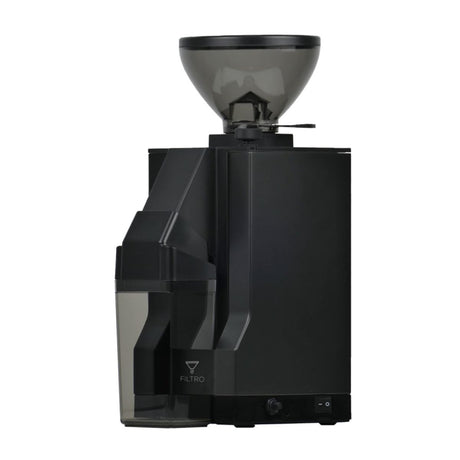
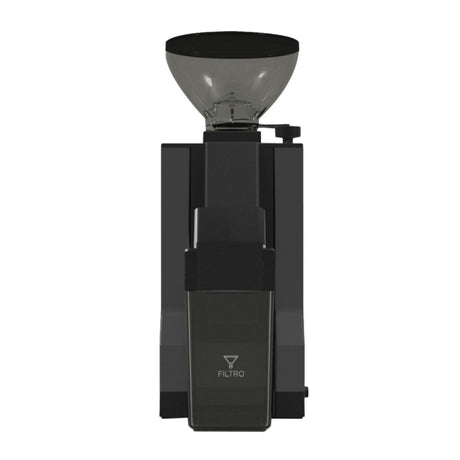
Good choices include the Melitta Molino, Baratza Encore, Eureka Mignon Filtro Silent and Fellow Ode Brew Grinder Gen 2. These grinders offer the coarse adjustment needed for cafetière while providing more consistent results than a blade grinder.
-

Chemex
Chemex brewing usually works best with a medium-coarse grind. Its thicker paper filters can slow the flow of water, so a consistent grind helps prevent the brew from taking too long and supports a clean, balanced cup.
The Fellow Ode Brew Grinder Gen 2 and Eureka Mignon Zero Brew are particularly strong premium choices for Chemex. The Baratza Encore is a reliable and more affordable option for everyday home brewing.
-

Cold Brew
Cold brew generally uses a coarse grind because the coffee remains in contact with water for an extended period. Choose a grinder that can produce an even coarse grind without creating excessive fine particles.
Suitable models include the Fellow Ode Brew Grinder Gen 2, Eureka Mignon Zero Brew, Baratza Encore and Melitta Calibra. Consider the grinder’s capacity as well as its grind range if you regularly prepare larger batches of cold brew.


Features to Consider
- Burr Grinder or Blade Grinder? - A burr grinder is the better choice for filter coffee because it offers controlled adjustment and a more consistent grind. A blade grinder chops the coffee unevenly and controls grind size only through grinding time. This can produce a mixture of fine powder and larger pieces, making balanced extraction more difficult.
- Grind Settings - More settings provide greater control, but the quality and spacing of the adjustments are just as important as the total number. Choose a grinder that offers useful adjustment across the brewing methods you regularly use.
- Hopper or Single Dose? - A hopper grinder stores beans above the burrs and is convenient for everyday use. A single-dose grinder is designed for weighing each portion of coffee before grinding. It is useful if you frequently change coffee, want to keep beans in their original packaging or prefer to measure every dose accurately.
- Grinder Capacity - Consider how much coffee you normally prepare. A compact hand grinder may be perfect for one cup but less practical for a large cafetière or a full filter coffee machine.
- Cleaning and Maintenance - Regular cleaning helps remove coffee oils and old grounds from the burrs and grind path. Removable burrs and accessible grounds containers can make routine maintenance easier.
Frequently Asked Questions
What type of grinder is best for filter coffee?
What type of grinder is best for filter coffee?
A burr grinder is generally the best choice because it produces a more consistent grind than a blade grinder. Look for a model with reliable adjustment through the medium-to-coarse range required for filter brewing.
Can I use an espresso grinder for filter coffee?
Can I use an espresso grinder for filter coffee?
Some espresso grinders can grind coarsely enough for filter coffee, but they may be less convenient to adjust between very fine and coarse settings. Espresso-focused burrs may also produce a different grind profile from a dedicated filter grinder.
All-purpose models designed for both brewing styles are usually easier to use across espresso and filter coffee.
Can one grinder be used for V60 and cafetière?
Can one grinder be used for V60 and cafetière?
Yes. Choose a grinder with a sufficiently wide adjustment range. V60 normally uses a medium-fine to medium grind, while cafetière requires a coarser setting.
Is an electric or manual grinder better?
Is an electric or manual grinder better?
Electric grinders are faster and more convenient, particularly when grinding larger quantities. Manual grinders are quieter, more portable and often provide excellent grind quality for the price.
The best option depends on how often you brew, how much coffee you prepare and whether portability is important.
How much should I spend on a filter coffee grinder?
How much should I spend on a filter coffee grinder?
Entry-level burr grinders can provide a significant improvement over pre-ground coffee or blade grinders. More advanced grinders may offer better burrs, greater consistency, quieter operation, lower retention and more precise adjustment.
Your brewing method, frequency of use and budget should guide the decision.
How fine should coffee be ground for pour-over?
How fine should coffee be ground for pour-over?
Pour-over coffee normally uses a medium-fine to medium grind, although the correct setting depends on the brewer, dose and recipe.
If the water passes through too quickly and the coffee tastes weak or sharp, try grinding finer. If the brew takes too long or tastes bitter and heavy, adjust the grinder slightly coarser.
Why does my filter coffee taste bitter?
Why does my filter coffee taste bitter?
Bitterness can be caused by grinding too finely, brewing for too long, using water that is too hot or adding too much coffee.
Try adjusting the grinder slightly coarser while keeping the other parts of your recipe consistent.
Why does my filter coffee taste weak or sour?
Why does my filter coffee taste weak or sour?
The grind may be too coarse, allowing the water to pass through the coffee too quickly. Try a slightly finer setting to slow the brew and improve extraction.
Coffee dose, water temperature and brewing time can also affect the result.
How often should I clean my coffee grinder?
How often should I clean my coffee grinder?
This depends on how frequently it is used and the type of coffee being ground. Brush away loose grounds regularly and follow the manufacturer’s instructions for deeper cleaning.
Dark, oily coffees may require more frequent cleaning because oils can accumulate around the burrs and grind path.
