

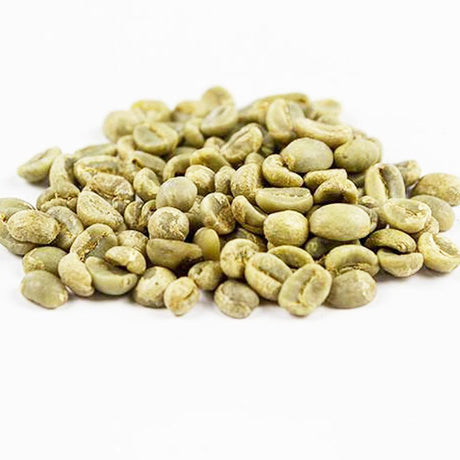
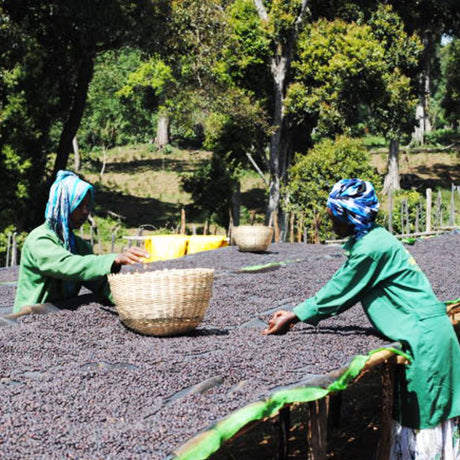
ETHIOPIA NATURAL DJIMMAH GR.5 - Green Coffee Beans
Berry Fruit | Lemon Citrus | Cinnamon
From £4.90Unit price /Unavailable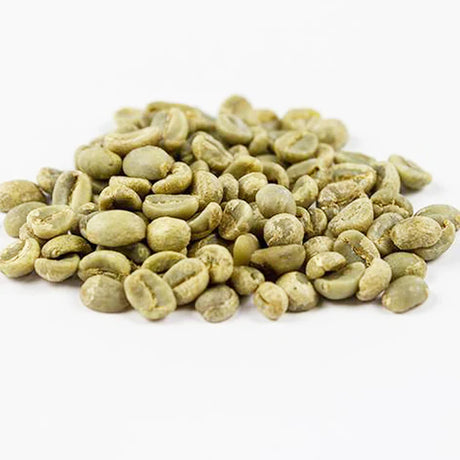
BRAZIL FINCA CACHOEIRA Natural - Green Coffee Beans
Milk chocolate | Hazelnut | Caramel
From £5.00Unit price /Unavailable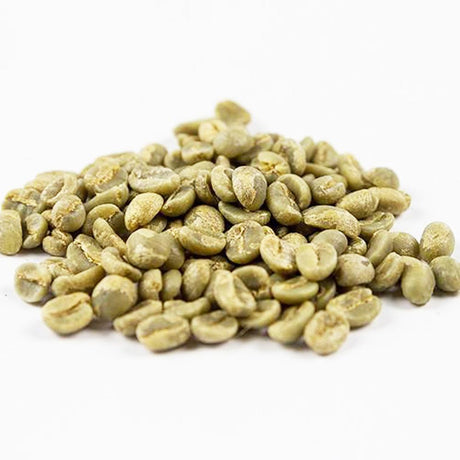

PERU CHANCHAMAYO - Green Coffee Beans
Caramel | Cedar | Cinnamon
From £5.00Unit price /Unavailable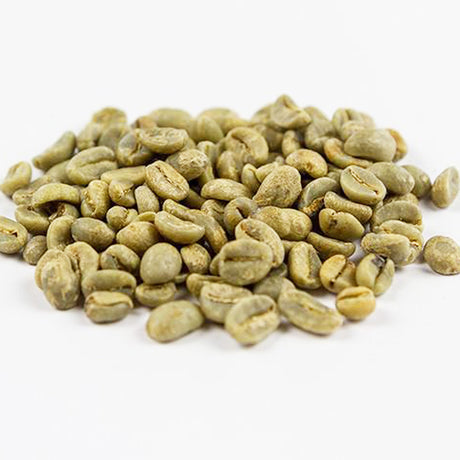

COLOMBIA EXCELSO HUILA Washed - Green Coffee Beans
Chocolate | Orange | Caramel
From £5.25Unit price /Unavailable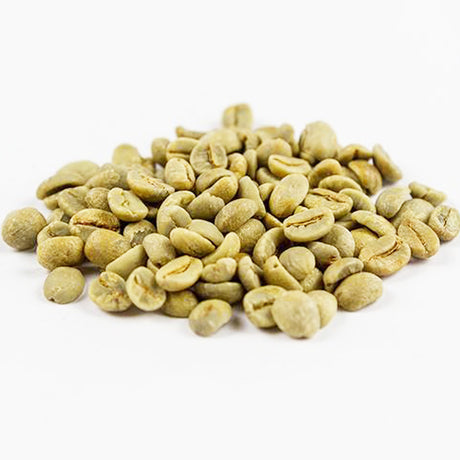
 Best for Beginners
BRAZIL SANTOS Natural 17/18 - Green Coffee Beans
Chocolate | Nuts | Cocoa
From £5.25Unit price /Unavailable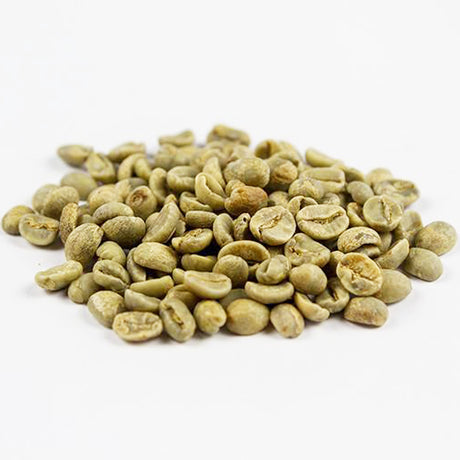
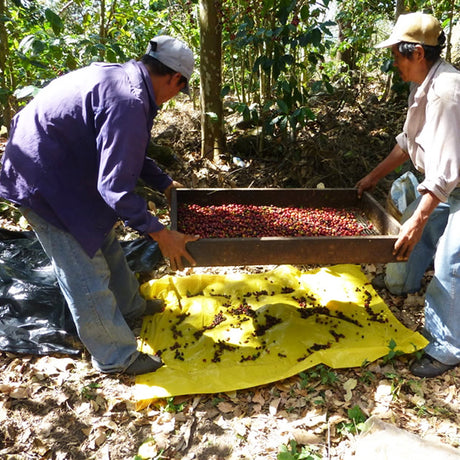
EL SALVADOR DIAMANTE (SHG) Washed - Green Coffee Beans
Chocolate | Orange | Caramel
From £5.25Unit price /Unavailable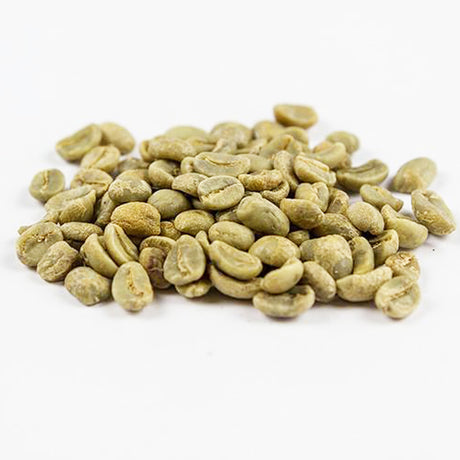
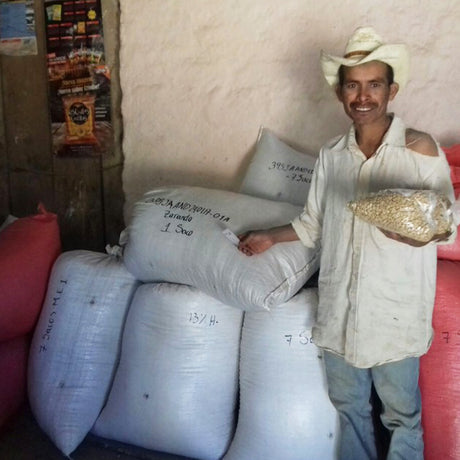
HONDURAS SANTA ROSA - Green Coffee Beans
Cacao | Nutmeg | Orange Citrus
From £5.25Unit price /Unavailable
COSTA RICA AMAPOLA TARRAZU Washed - Green Coffee Beans
Nuts | Citrus | Floral
From £5.50Unit price /Unavailable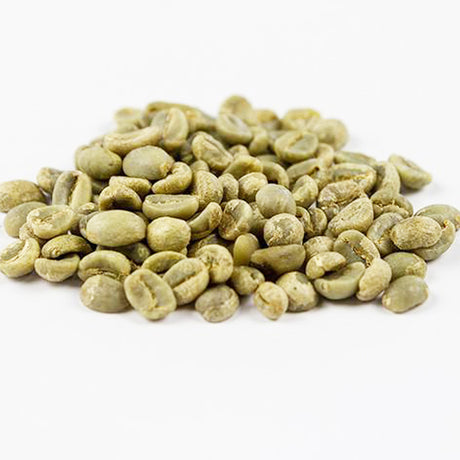
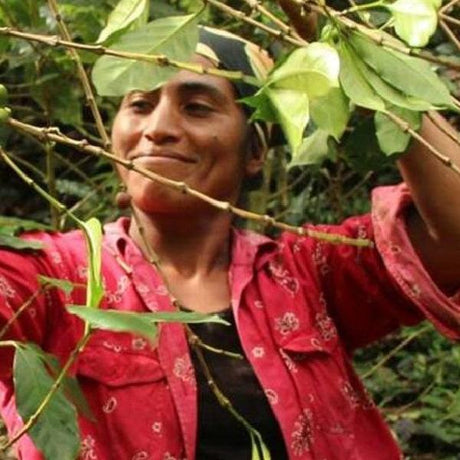
NICARAGUA MATAGALPA Washed - Green Coffee Beans
Chocolate | Nuts | Citrus
From £5.50Unit price /Unavailable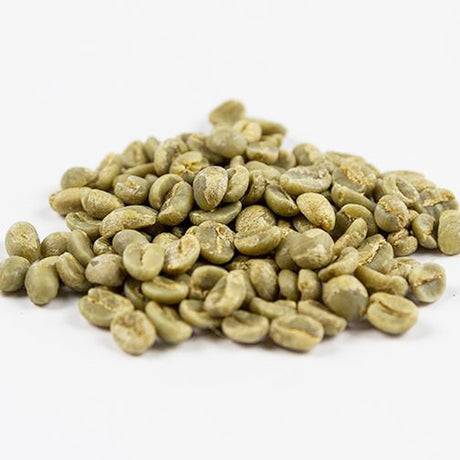
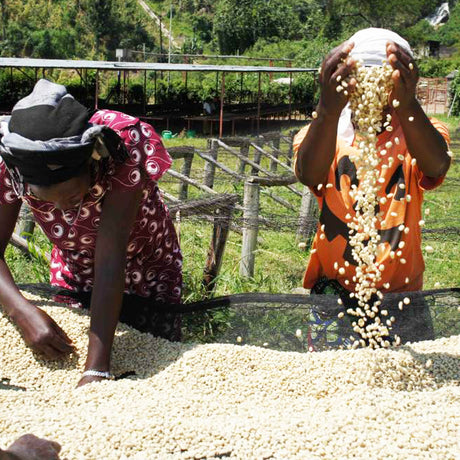
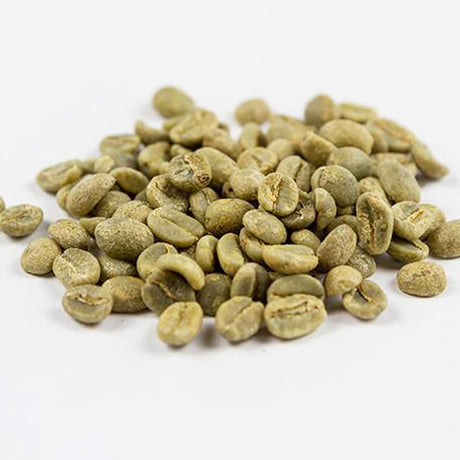
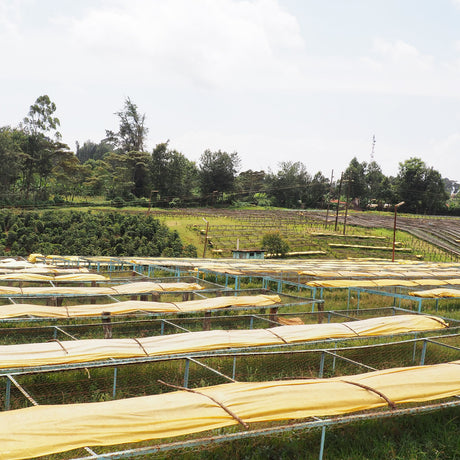
KENYA BORA - Green Coffee Beans
Blackcurrant | Molasses | Citrus
From £5.50Unit price /Unavailable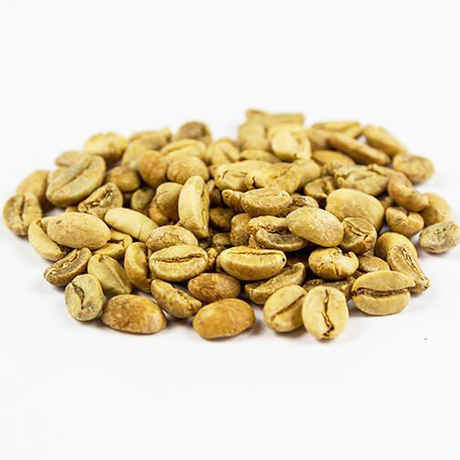

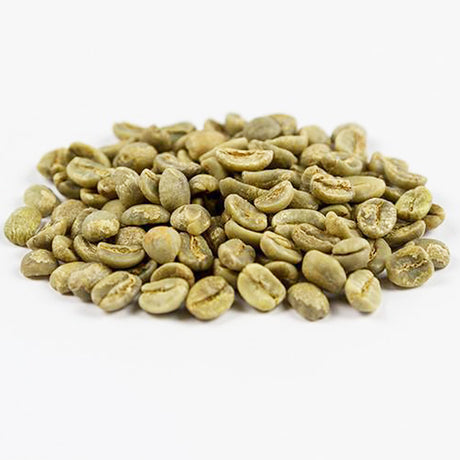
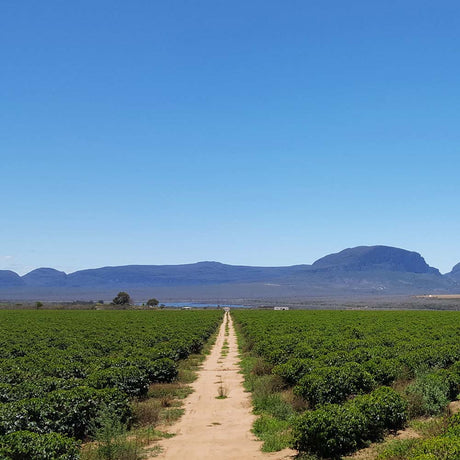
BRAZIL YELLOW CATUAI Pulped Natural - Green Coffee Beans
Caramel | Nuts | Citrus
From £5.50Unit price /Unavailable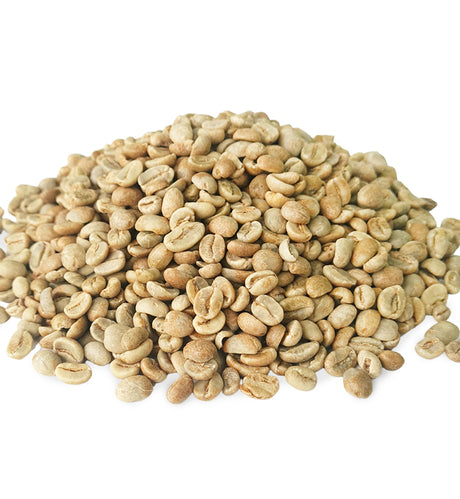
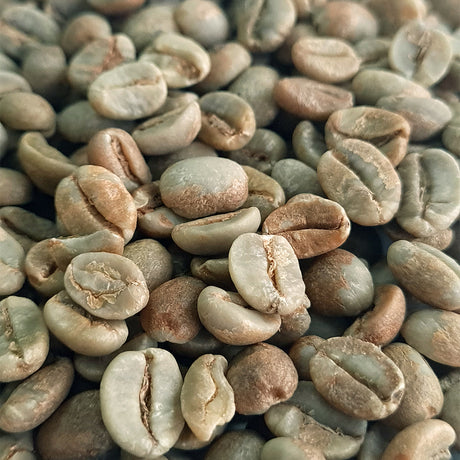
UGANDA RWENZORI KISINGA NATURAL - Green Coffee Beans
Plum | Peach | Chocolate
From £5.50Unit price /Unavailable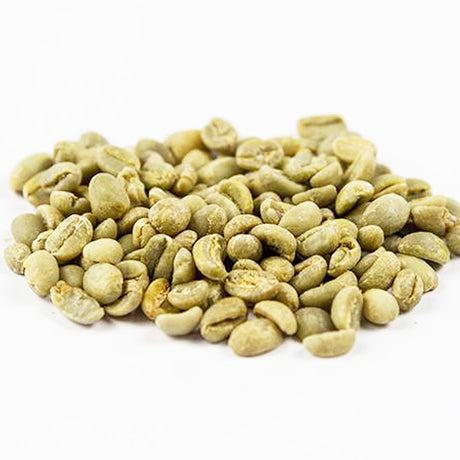
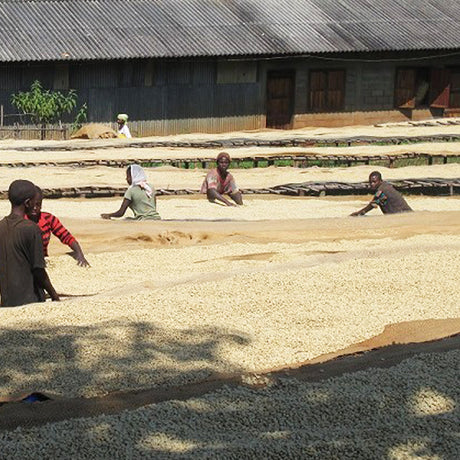
ETHIOPIA SIDAMA GR. 2 WASHED - Green Coffee Beans
Tea-like | Lemon | Floral
From £6.25Unit price /Unavailable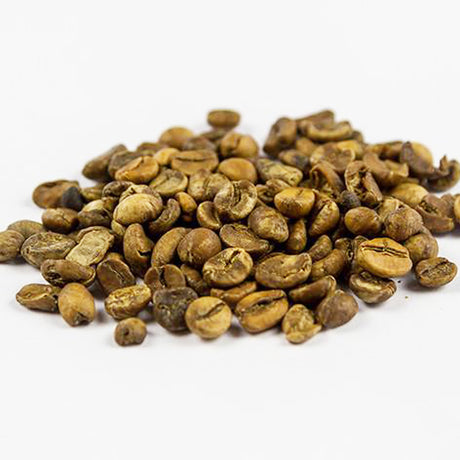
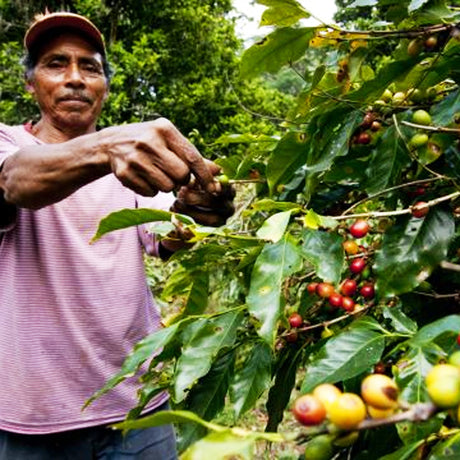
CENTRAL AMERICAN DECAF BLEND - Green Coffee Beans
Chocolate | Cinnamon | Warm Spices
From £6.25Unit price /Unavailable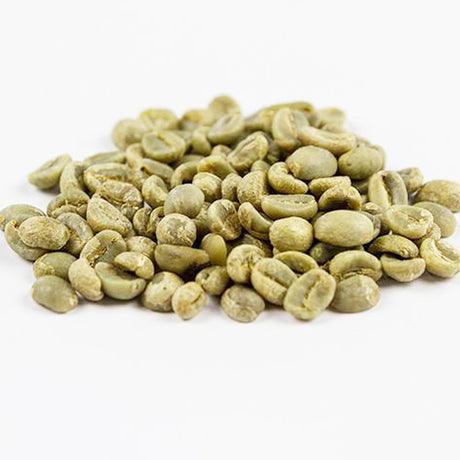
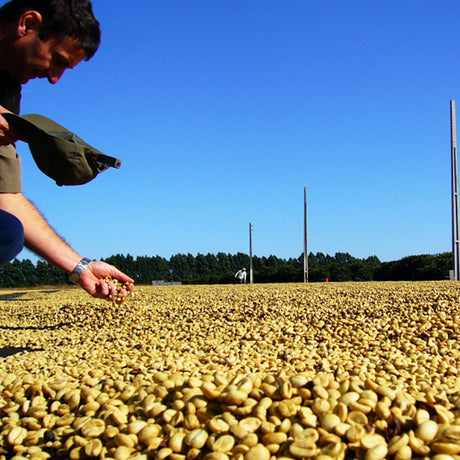
GUATEMALA ANTIGUA - Green Coffee Beans
Chocolate | Hazelnut | Caramel
From £6.25Unit price /Unavailable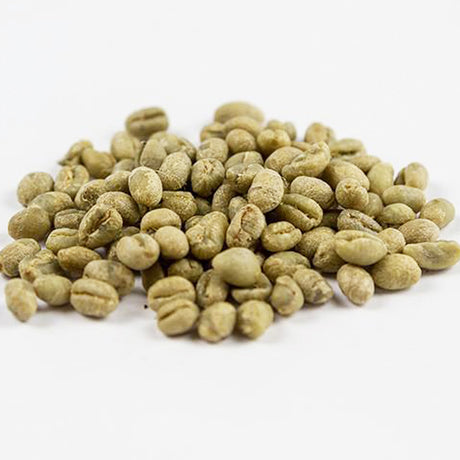
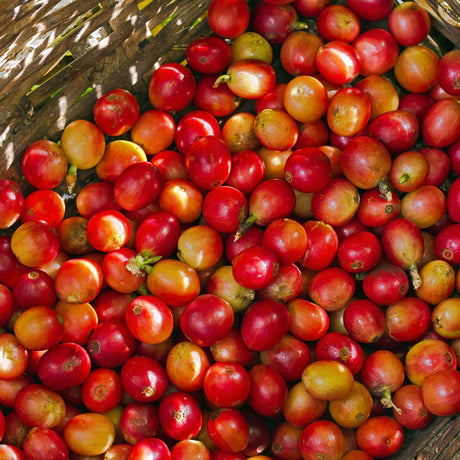
KENYA PEABERRY - Green Coffee Beans
Citrus Fruit | Floral | Lemony Hints
From £6.25Unit price /Unavailable-

COLOMBIA FINCA SOFIA 19 - Green Coffee Beans
Banoffee | Walnuts | Honey
From £6.25Unit price /Unavailable 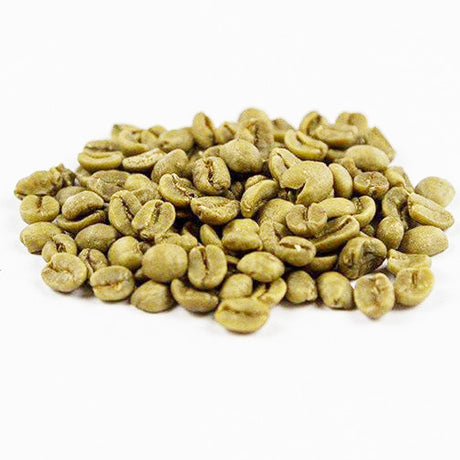
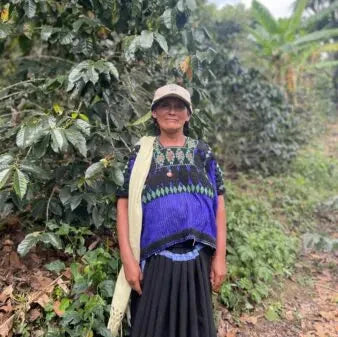
MEXICO MOUNTAIN WATER DECAF - Green Coffee Beans
Chocolate | Lemon | Spice
From £6.25Unit price /Unavailable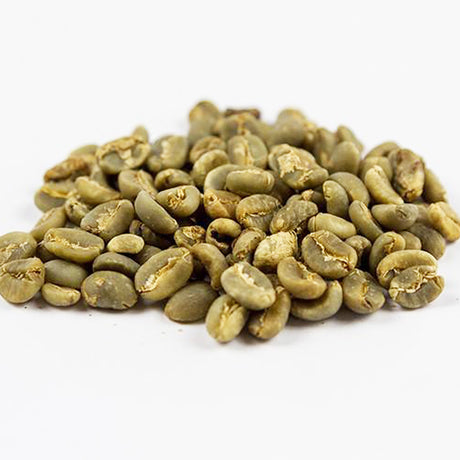

PAPUA NEW GUINEA KENTA - Green Coffee Beans
Berry | Cedar | Malt
From £6.25Unit price /Unavailable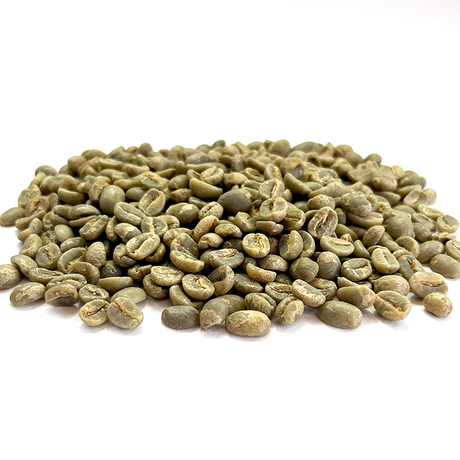
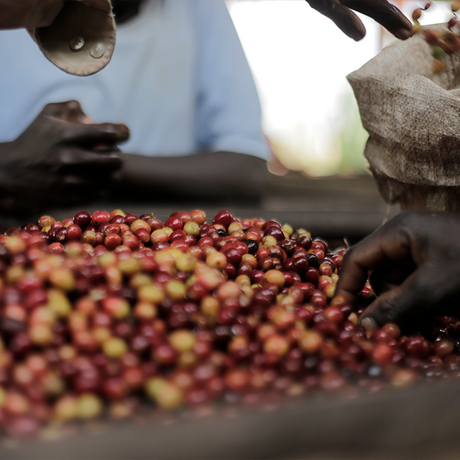
BURUNDI MURAMBI HILL Washed - Green Coffee Beans
Toasted Marshmallow | Vanilla | Apple
From £6.25Unit price /Unavailable

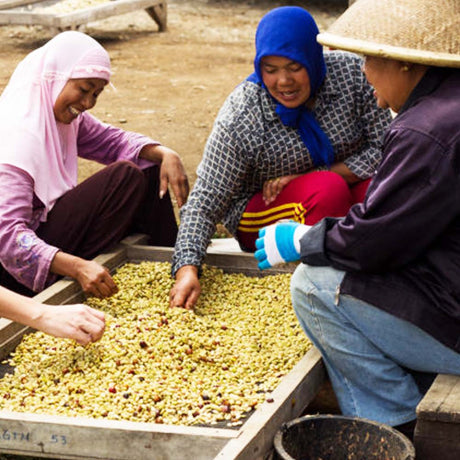
COLOMBIA CABRESTO ORGANIC Washed - Green Coffee Beans
Chocolate | Panela | Citrus
From £6.25Unit price /Unavailable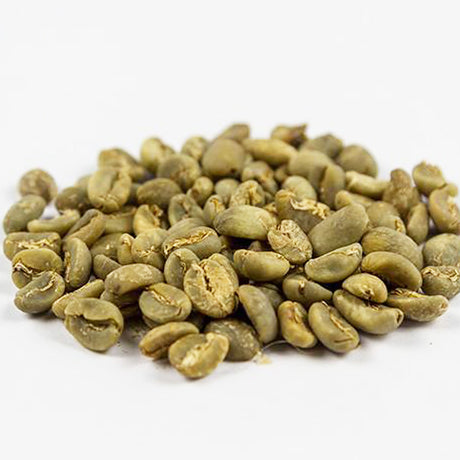
 Sold out
SUMATRA LINTONG GRADE 1 - Green Coffee Beans
Chocolate | Spices | Brown Sugar
From £6.50Unit price /Unavailable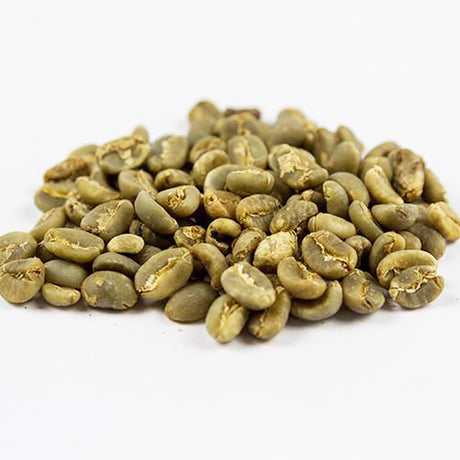
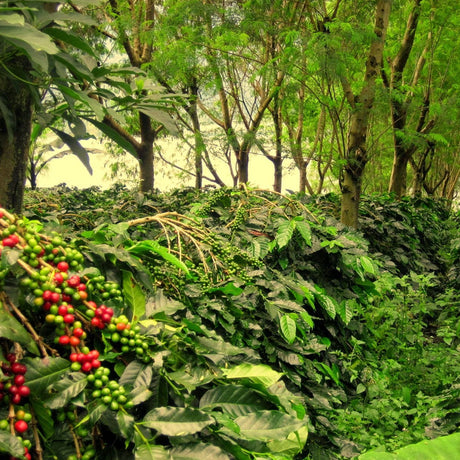
SUMATRA MANDHELING - Green Coffee Beans
Herbal | Chocolate | Earthy
From £6.50Unit price /Unavailable

GUATEMALA EL DURAZNO WHITE HONEY PROCESS - Green Coffee Beans
Chocolate | Hazelnut | Caramel
From £6.50Unit price /Unavailable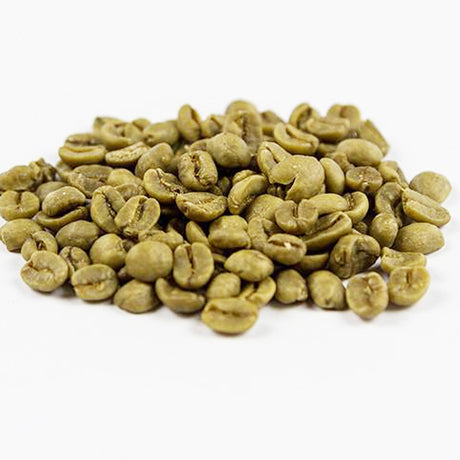
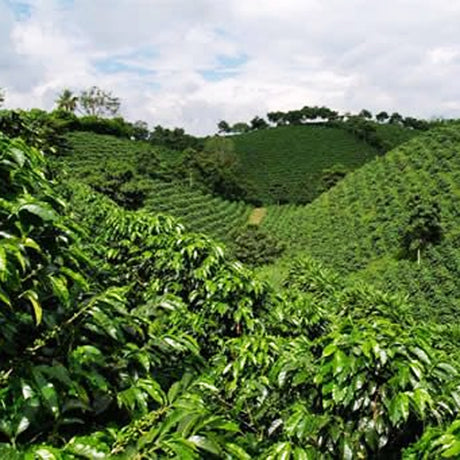
GUATEMALA DECAF SWISS WATER - Green Coffee Beans
Chocolate | Caramel | Apple
From £6.75Unit price /Unavailable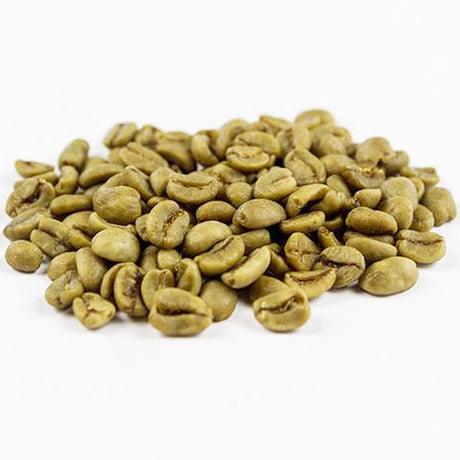
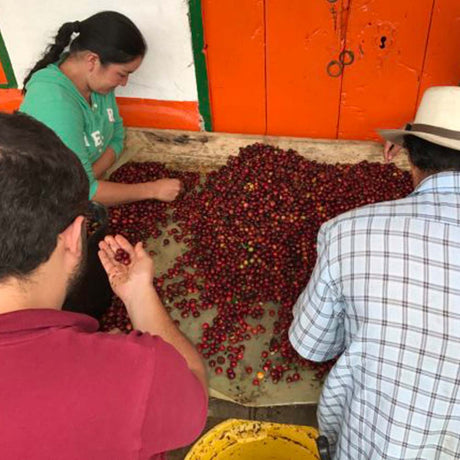
COLOMBIA SWISS WATER DECAF - Green Coffee Beans
Dark Chocolate | Caramel | Roasted Apple
From £6.75Unit price /Unavailable
GUATEMALA DECAF CHA CHI SUGARCANE - Green Coffee Beans
Chocolate | Raisins | Stewed Apple
From £6.75Unit price /Unavailable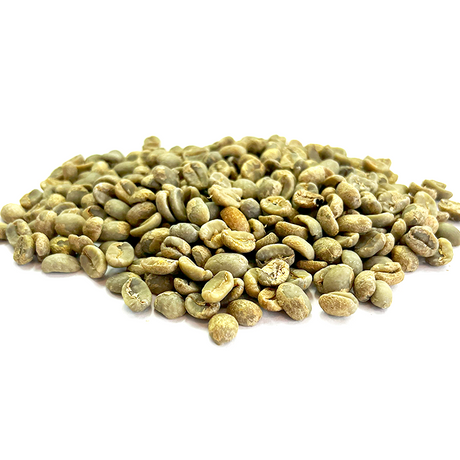
 Sold out
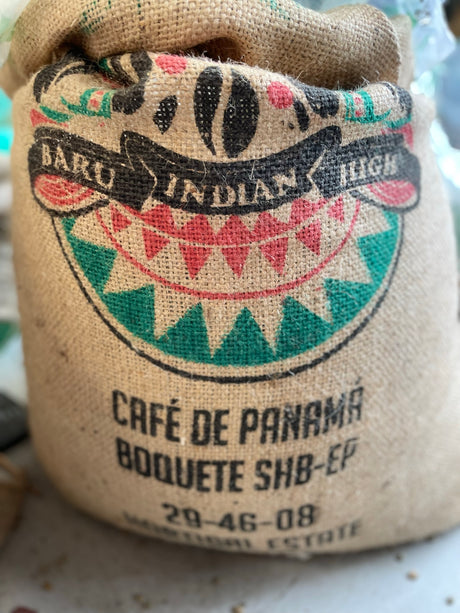
PANAMA BOQUETE FINCA HORTIGAL - Green Coffee Beans
Brown Sugar | Citrus | Milk Chocolate
From £8.00Unit price /Unavailable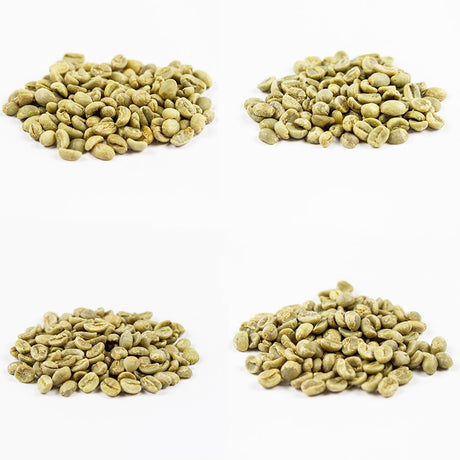
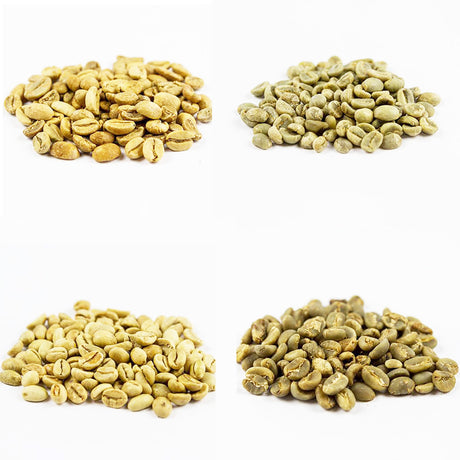
AMERICAS PACK - 4 x Unroasted Green Coffee Beans
Chocolate | Nuts | Caramel
From £10.50Unit price /Unavailable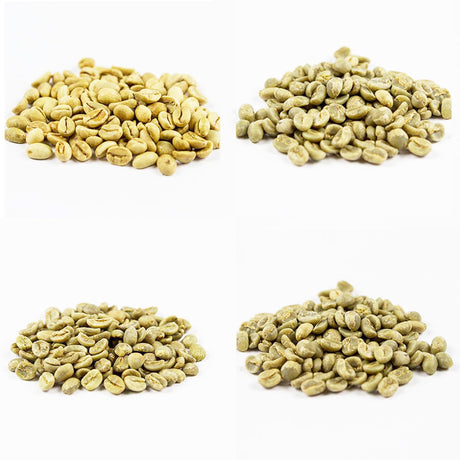
EARTHY PACK - 4 x Unroasted Green Coffee Beans
Bold | Earthy | Spicy
From £11.50Unit price /Unavailable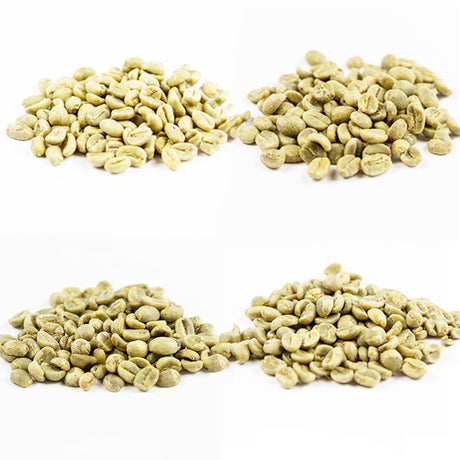
AFRICAN PACK - 4 x Unroasted Green Coffee Beans
Fruity | Floral | Bright
From £11.50Unit price /Unavailable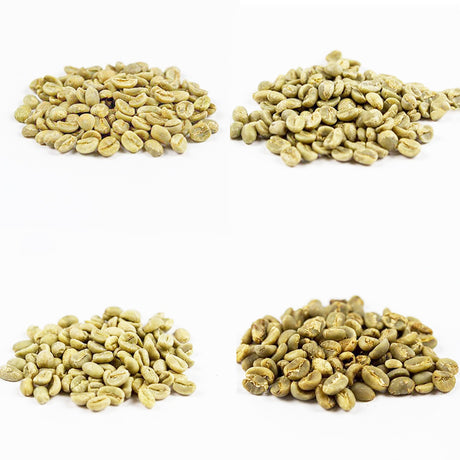
PREMIUM PACK - 4 x Unroasted Green Coffee Beans
Fruity | Sweet | Spicy
From £12.50Unit price /Unavailable


Coffee You Can Actually Work With
Not all green coffee is suitable for home roasting. We focus on coffees that are reliable, clean and forgiving, so you can get good results without needing commercial equipment.
Each coffee is chosen for how it performs in smaller batch roasting, with clear flavour direction once roasted. That means fewer surprises and more control, whether you’re using a home roaster, oven or pan.

Roast It Your Way
Roasting at home gives you full control over flavour. Lighter roasts will bring out acidity and fruit, while darker roasts develop body and deeper chocolate notes. Our green coffee beans are versatile enough to work across different roast levels, so you can experiment and dial in what you like.
If you’re new to roasting, start with a balanced origin like Brazil or Colombia. If you want something more distinctive, try an Ethiopian coffee for brighter, more complex flavours.

Coffee Beans for Espresso Machines or Filter
Our green coffee beans are selected to give you flexibility across different brew methods. With the right roast profile, the same coffee can work equally well in espresso machines and filter coffee machines.
For espresso, developing the roast slightly further will bring out body, sweetness and lower acidity. For filter, a lighter roast will highlight clarity and brighter notes. This gives you more control without needing separate coffees for each brew method.
If you’re experimenting at home, this flexibility makes it easier to refine your approach and get consistent results from each batch.

Flexible Sizes, Packed to Order
As with our roasted coffee beans, we pack your green coffee beans to order, so you receive fresh stock every time.
You can choose from flexible sizes starting at 125g taster packs through to full 60kg sacks, making it easy to experiment with new coffees or buy in bulk when you find something you like.
Whether you’re roasting small batches at home or scaling up, you can order exactly what you need without compromise.
Frequently Asked Questions
What are the different types of green coffee bean varieties?
What are the different types of green coffee bean varieties?
Green coffee beans come in two main species: Arabica (Coffea arabica) and Robusta (Coffea canephora). Each species has distinct growing conditions, flavour profiles, and caffeine content. Here’s a closer look:
Arabica Coffee Varieties
Arabica, known for its complex flavours and balanced acidity, makes up 60-70% of global coffee production. It is typically grown at high altitudes (1,200-2,200m), which enhances its unique flavour profiles. Popular Arabica varieties include:
- Typica: Known for a clean, sweet taste with notes of fruit, florals, and chocolate.
- Bourbon: Prized for its sweet, full-bodied flavour with notes of caramel, nuts, and red fruit.
- SL28 and SL34: Originating from Kenya, these beans offer bright acidity and fruity notes, such as blackcurrant.
- Gesha (Geisha): Renowned for its floral aroma, tea-like body, and hints of bergamot and tropical fruit.
- Caturra, Catuai, and Pacamara: Hybrid varieties developed for resilience while maintaining Arabica’s complex flavours.
Robusta Coffee Varieties
Robusta has a stronger, more bitter flavour with earthy, woody notes and higher caffeine content (2.2-2.7%). It’s typically grown at lower altitudes (200-800m) and is known for:
- Higher Caffeine Content: Contributes to a bold, bitter taste, often used in espresso blends.
- Flavour Profile: Strong, earthy flavours with a thicker crema, making it popular in espresso and instant coffee.
Other Notable Varieties:
- Liberica: With fruity, floral, or smoky notes, Liberica beans have a unique, bold profile and are primarily grown in Southeast Asia.
- Excelsa: A variant of Liberica, known for its tart and fruity notes, adding depth to coffee blends.
What equipment do I need to start roasting coffee at home?
What equipment do I need to start roasting coffee at home?
Basic home roasting equipment includes a stovetop popcorn popper, baking sheet with an oven, or a dedicated home coffee roaster. You’ll also need a kitchen scale, thermometer, and a fan or colander to cool your freshly roasted green coffee beans.
What is first crack and second crack in coffee roasting?
What is first crack and second crack in coffee roasting?
The first crack is an audible popping sound, signalling that the beans are reaching a light to medium roast. The second crack is softer, indicating a medium-dark to dark roast. Listening for these cracks helps determine your roast level.
How do I cool my beans after roasting?
How do I cool my beans after roasting?
To cool beans quickly, spread them on a metal colander or tray and use a fan to blow air over them. This stops the roasting process, preserving the desired flavour profile in your unroasted coffee beans.
What is roast development time, and why is it important?
What is roast development time, and why is it important?
Roast development time is the period after the first crack until the roast is complete. This time impacts flavour: a shorter development time can create a sour taste, while longer times may result in a bitter or smoky flavour.
How do I adjust my roast profile for different bean densities?
How do I adjust my roast profile for different bean densities?
Higher-density beans (often from high altitudes) require more heat to develop flavours, while lower-density beans need a gentler roast. Adjust heat and airflow accordingly for even roasting based on bean density.
What role does airflow play in coffee roasting?
What role does airflow play in coffee roasting?
Airflow controls temperature and removes chaff (the bean’s outer skin). Proper airflow prevents smoky flavours and allows for better control over the roasting process.
Can green coffee beans absorb odours?
Can green coffee beans absorb odours?
Yes, green coffee beans can absorb odours from their environment. Store them in airtight containers, away from strong-smelling items, to preserve their natural flavours.
What causes scorching during the roasting process?
What causes scorching during the roasting process?
Scorching is typically caused by high initial temperatures, especially when the beans first enter the roaster (known as "charging"), combined with inadequate agitation. If the drum or roasting environment is too hot, or if beans sit too long in one spot, they can burn on the surface before the inside is properly roasted.
Why is my roasted coffee smoky or ashy?
Why is my roasted coffee smoky or ashy?
A smoky or ashy flavour often results from not enough airflow during roasting or failing to remove chaff properly. Make sure to ventilate your roasting area and stir beans well to avoid these flavours.
How can I improve the consistency of my roast?
How can I improve the consistency of my roast?
Use the same batch size, set a consistent preheat temperature, and keep detailed notes on time, temperature, and airflow. Also, make sure to agitate the beans evenly to prevent scorching or under-roasting.
Why are some beans chipping or breaking during roasting?
Why are some beans chipping or breaking during roasting?
Beans can chip or break due to extreme temperature changes, over-agitation, or using old, low-quality beans. Ensure a gradual temperature increase and consistent agitation to prevent this issue.
What is the best way to clean my roasting equipment?
What is the best way to clean my roasting equipment?
Clean your roaster regularly by removing chaff, wiping down surfaces, and using a vacuum or brush to clear out any remaining debris. This prevents the build-up of oils and burnt material, which can impact future roasts.
How do I know if my green coffee beans have gone stale?
How do I know if my green coffee beans have gone stale?
Stale green coffee beans may appear faded or dull and may have a musty smell. They also lose their characteristic "crunch." Roasting stale beans results in flat, lacklustre flavours.
How should I store green coffee beans at home?
How should I store green coffee beans at home?
Green coffee beans should be stored in a cool, dark place, ideally in an airtight container, to preserve their freshness and flavour. Avoid direct sunlight, humidity, and exposure to strong odours, as they can absorb smells from their environment.
What is the shelf life of unroasted coffee beans?
What is the shelf life of unroasted coffee beans?
Unroasted coffee beans, when stored properly, can maintain their quality for up to a year or more. However, for the best flavour, it’s recommended to use green coffee beans within 6-12 months of purchase.
How do roast levels affect the caffeine content?
How do roast levels affect the caffeine content?
Lighter roasts tend to retain more caffeine than darker roasts. However, the difference is minimal. The biggest impact on caffeine content in your coffee is the type of green coffee bean (Arabica vs. Robusta) rather than the roast level.
Can I blend different types of green coffee beans before roasting?
Can I blend different types of green coffee beans before roasting?
Yes, blending green coffee beans before roasting allows you to create custom flavours. However, since different beans may roast at different rates, you might need to experiment to find the best balance for each blend.
How do I achieve a consistent roast each time?
How do I achieve a consistent roast each time?
Consistency in roasting comes with practice. Track your roasting times, temperatures, and airflow settings. Roasting similar batch sizes and using consistent equipment also helps in achieving uniform results.
